Atlas · Specimens, slide images and data
Describe the cohort. Atlas does the search.
Atlas reads your request and searches our partner sites for tissue, slides, slide images and data. It handles compliance. People review each match and quote.
500 pancreatic cancer cases with paired slide images, IHC and molecular data, matched to 5-year outcomes
- Read the requestindication · data types · follow-up
- Searched partner sitesone schema across the network
- Checked each site's protocolpermitted uses, first
- Quote ready for reviewcases, timeline and price
Matches by site type
Six steps. You see each one.
- 1
Describe
Plain English or exact criteria.
You - 2
Match
Atlas searches partner sites in one schema.
Atlas - 3
Check
Protocol and permitted uses, checked per site.
Atlas and our team - 4
Quote
Cases, timeline and price, in one quote.
Our team - 5
Release
Each site approves its own release.
Partner site - 6
Deliver
Intake QC and a PHI check, then to you.
Distribution lab
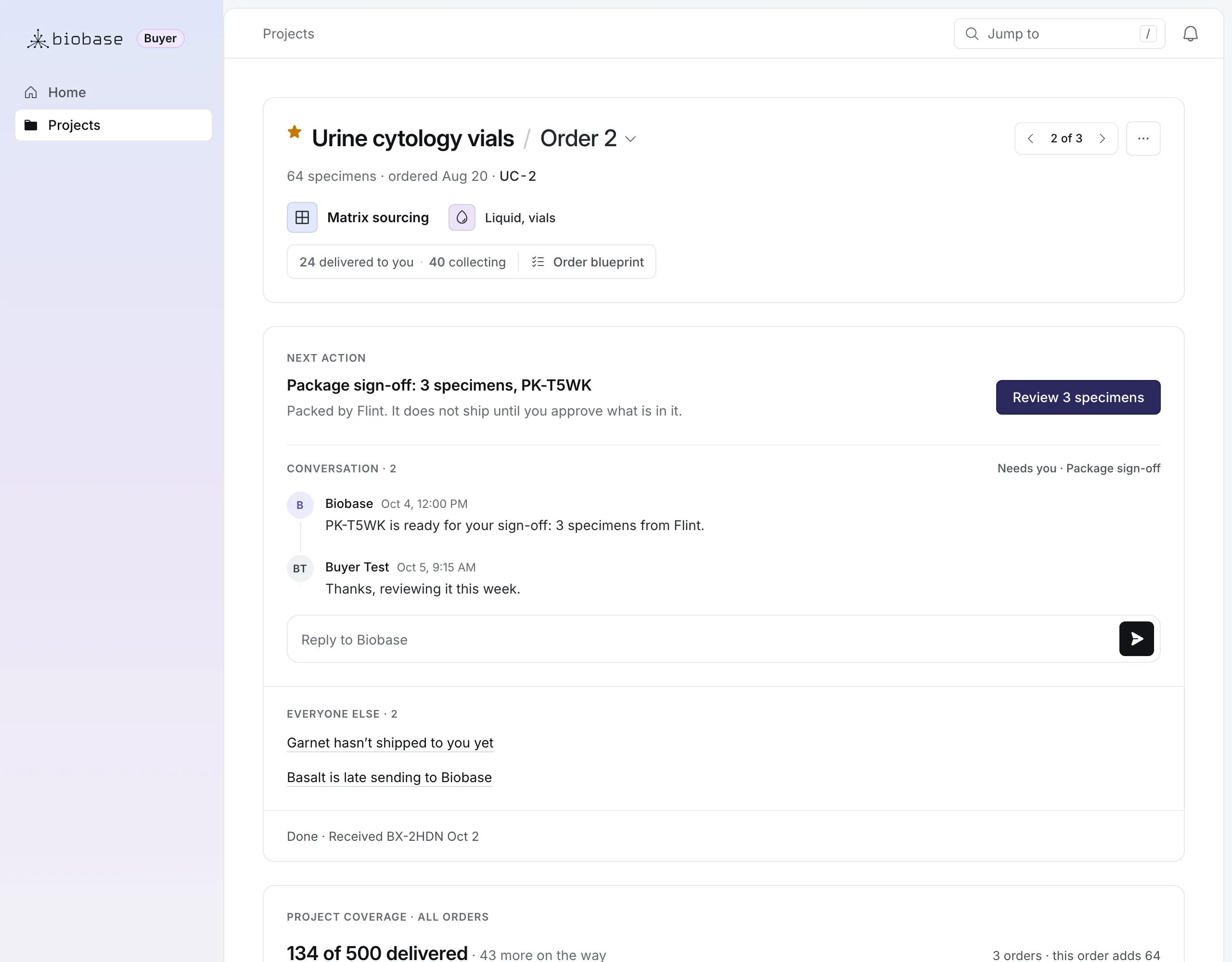
Track each request, from match to delivery.
Requested, matching, matched, fulfilling, delivered.
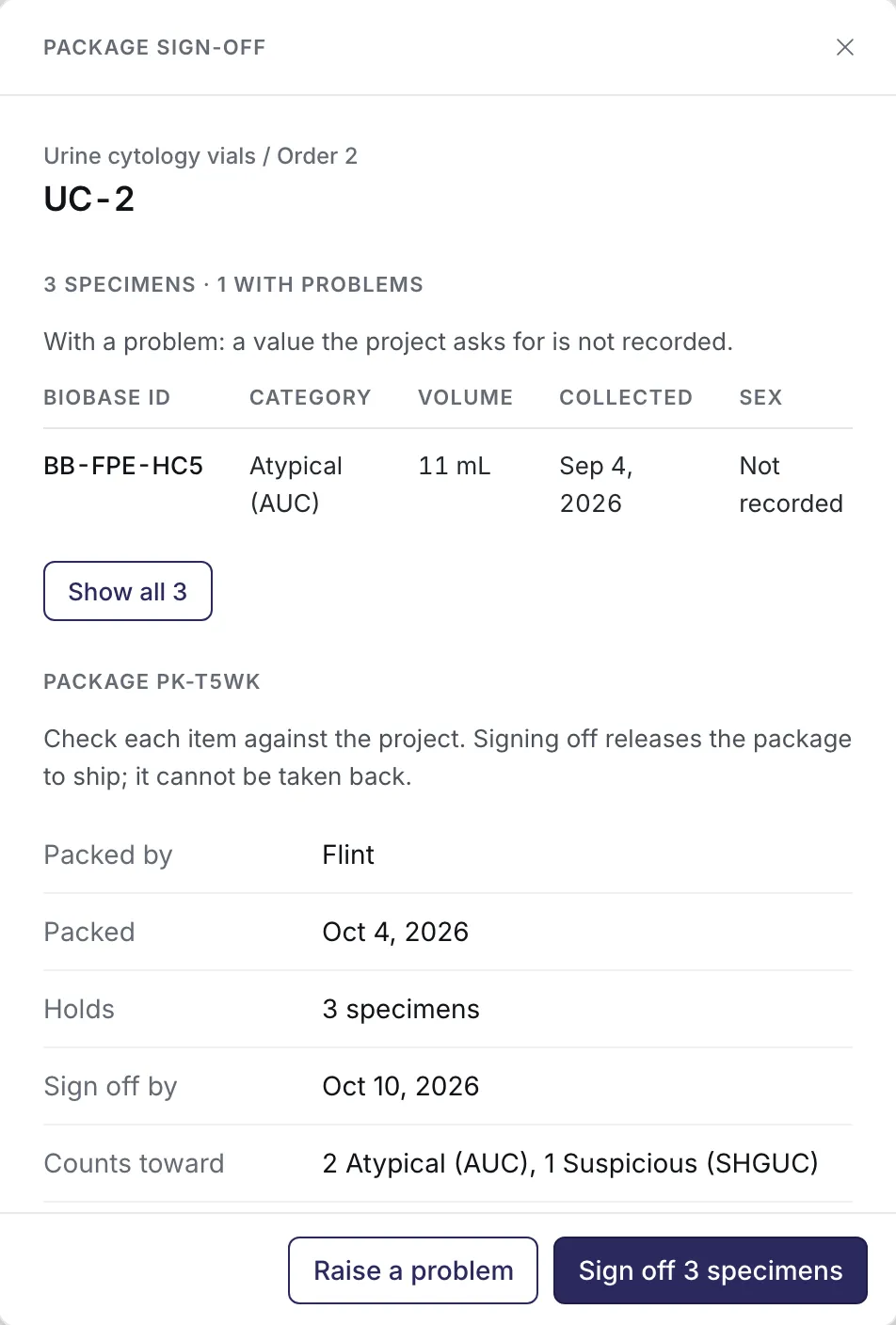
Sign off a package 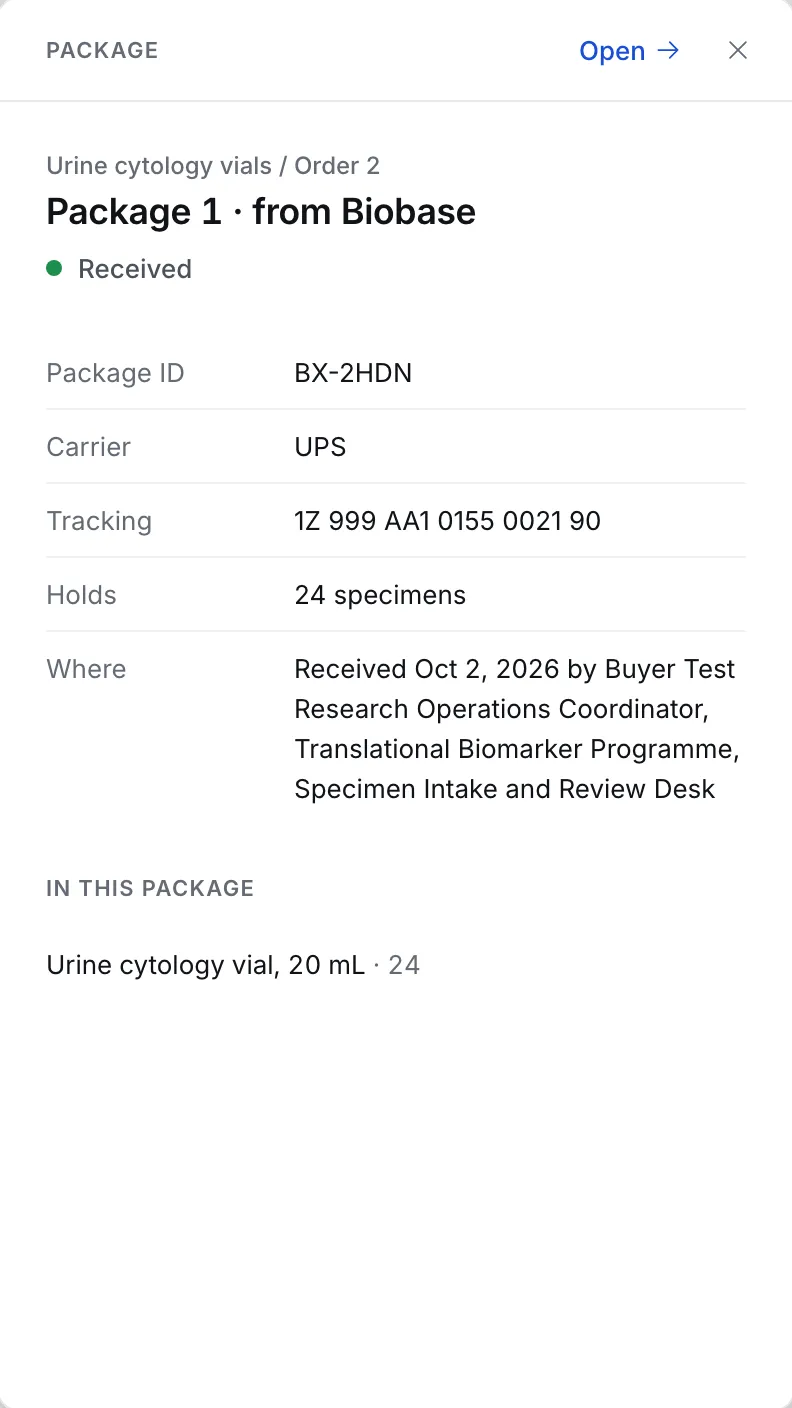
Follow each shipment 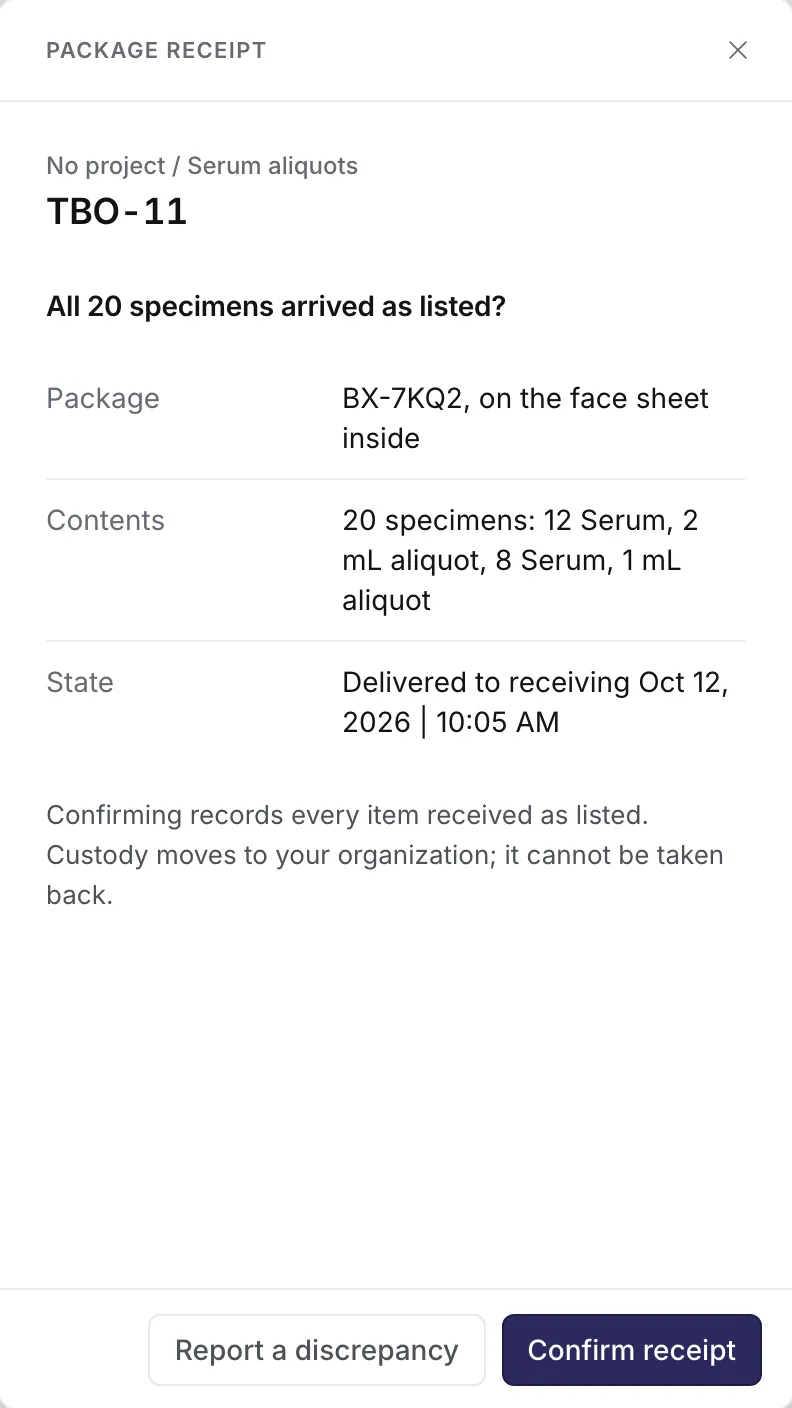
Confirm receipt
One place to find, check and order.
Plain-English requests
Type the cohort. Atlas turns it into criteria.
One search across sites
Partner records in one format, searched together.
Compliance inside the order
De-identification, protocol check, contract, chain of custody.
One quote, tracked to delivery
Follow each request from quote to delivery.
Slide images
Whole-slide images, scanned and linked to the record.
Programs
One target, filled across many orders, tracked together.
Atlas from your own tools
Send requests from your own agents and data tools.
Sponsor-funded sequencing
You fund sequencing. Results also go back to the hospital.
Tissue, slides, images and the data behind them.
Slides and slide images, with the data behind them.
Order glass, whole-slide images or both, paired with reports and data. See a sample set first.
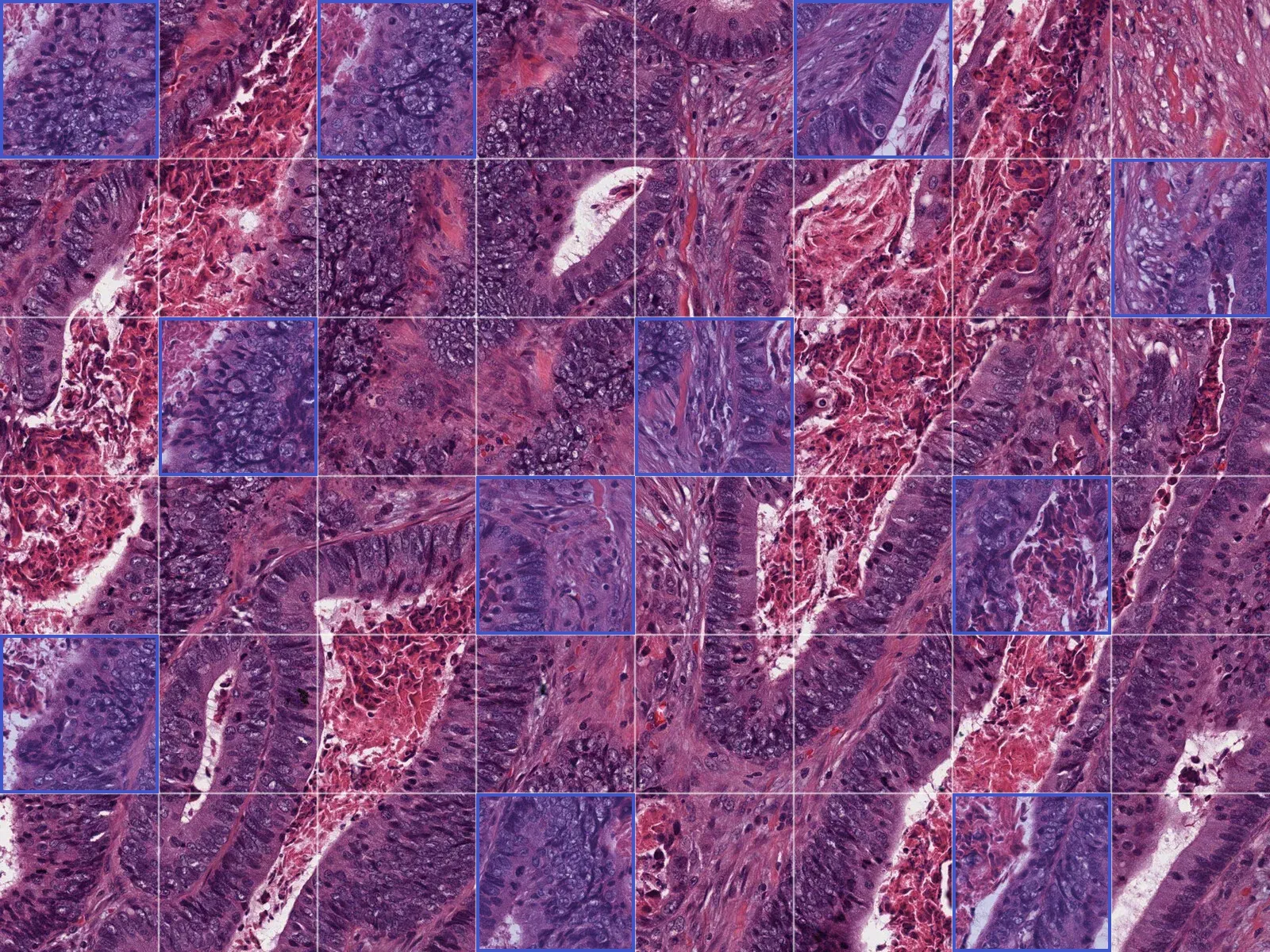
- Focus
- Tissue
- No pen marks
Looks similar
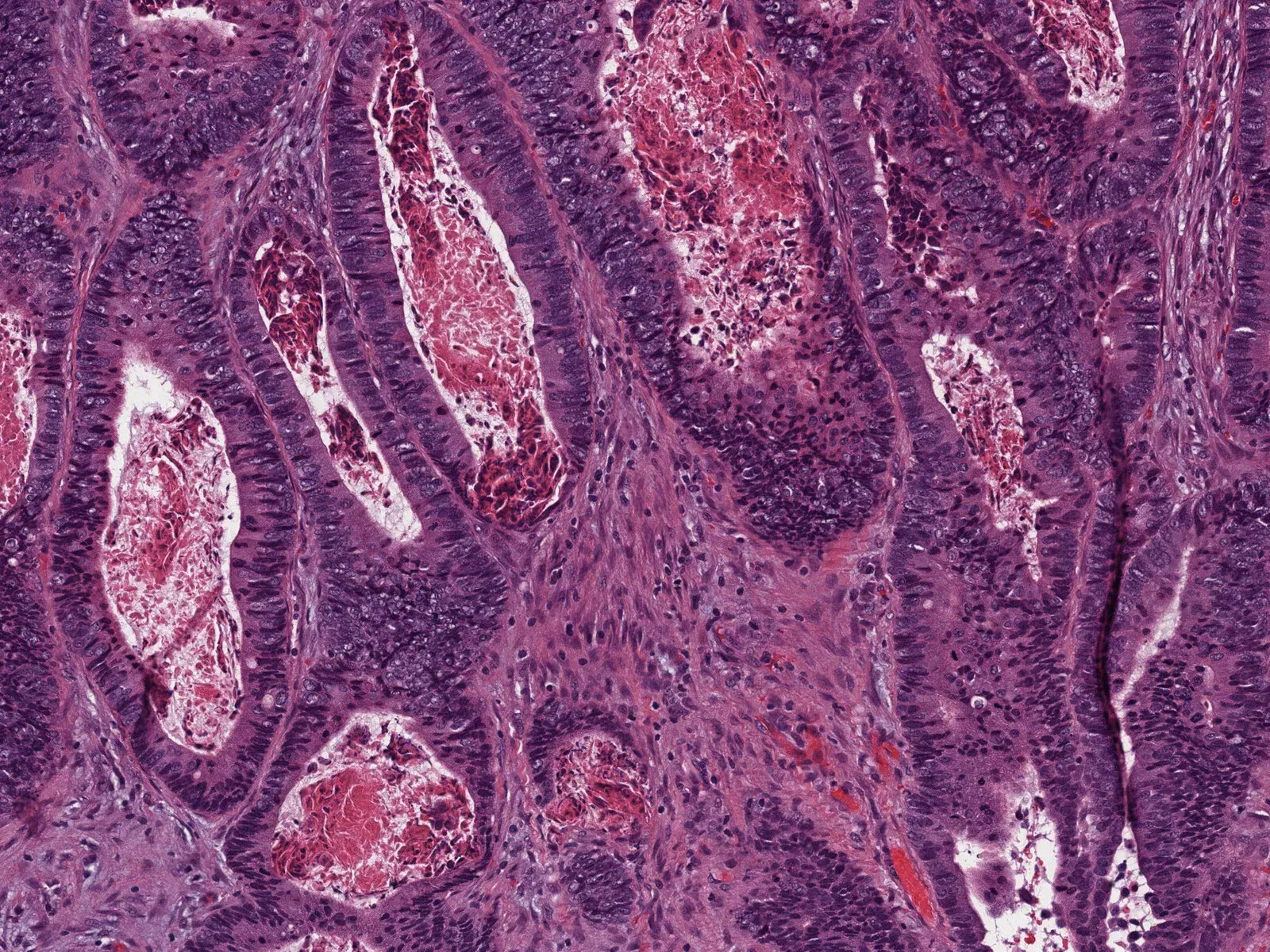
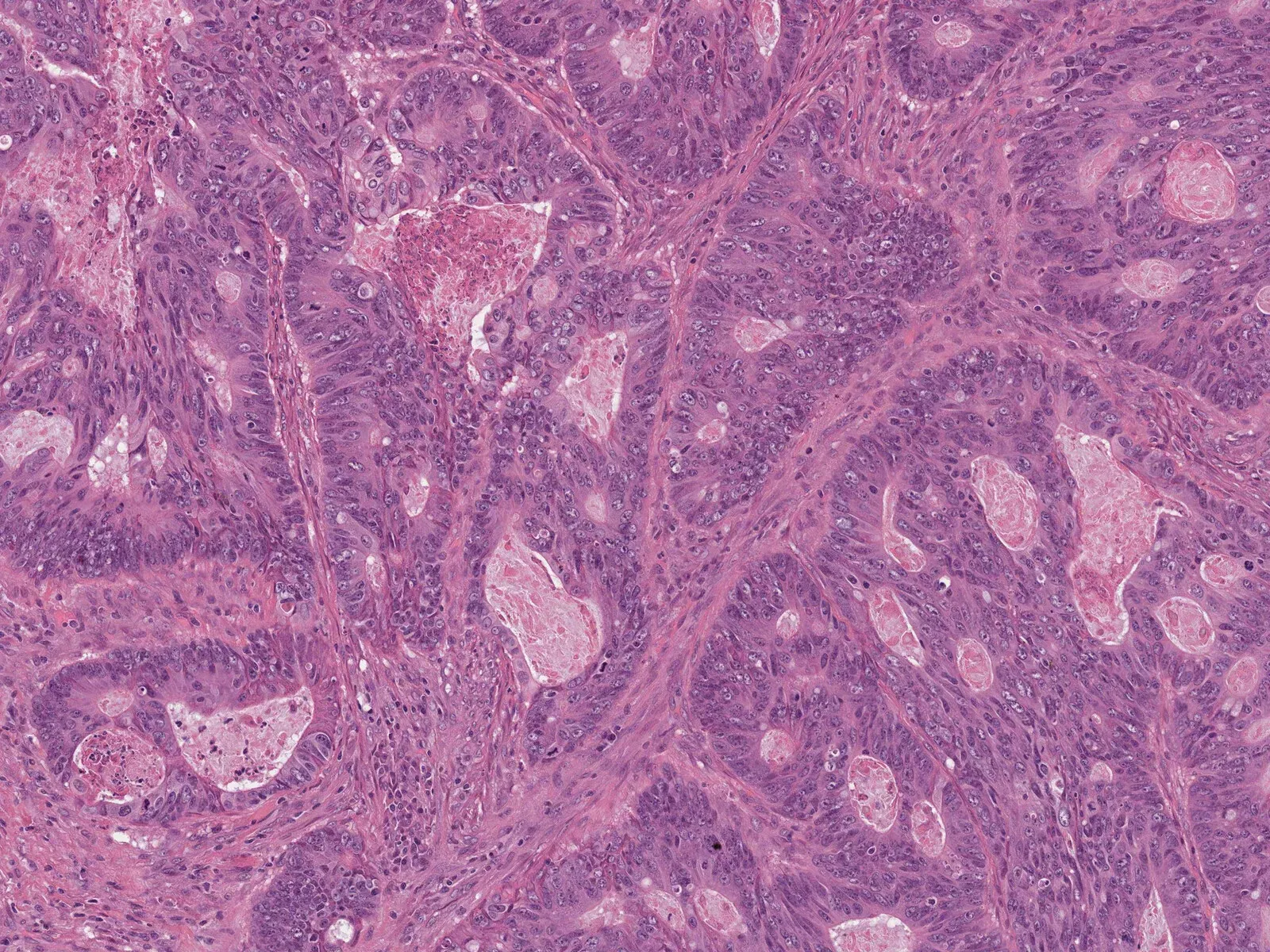
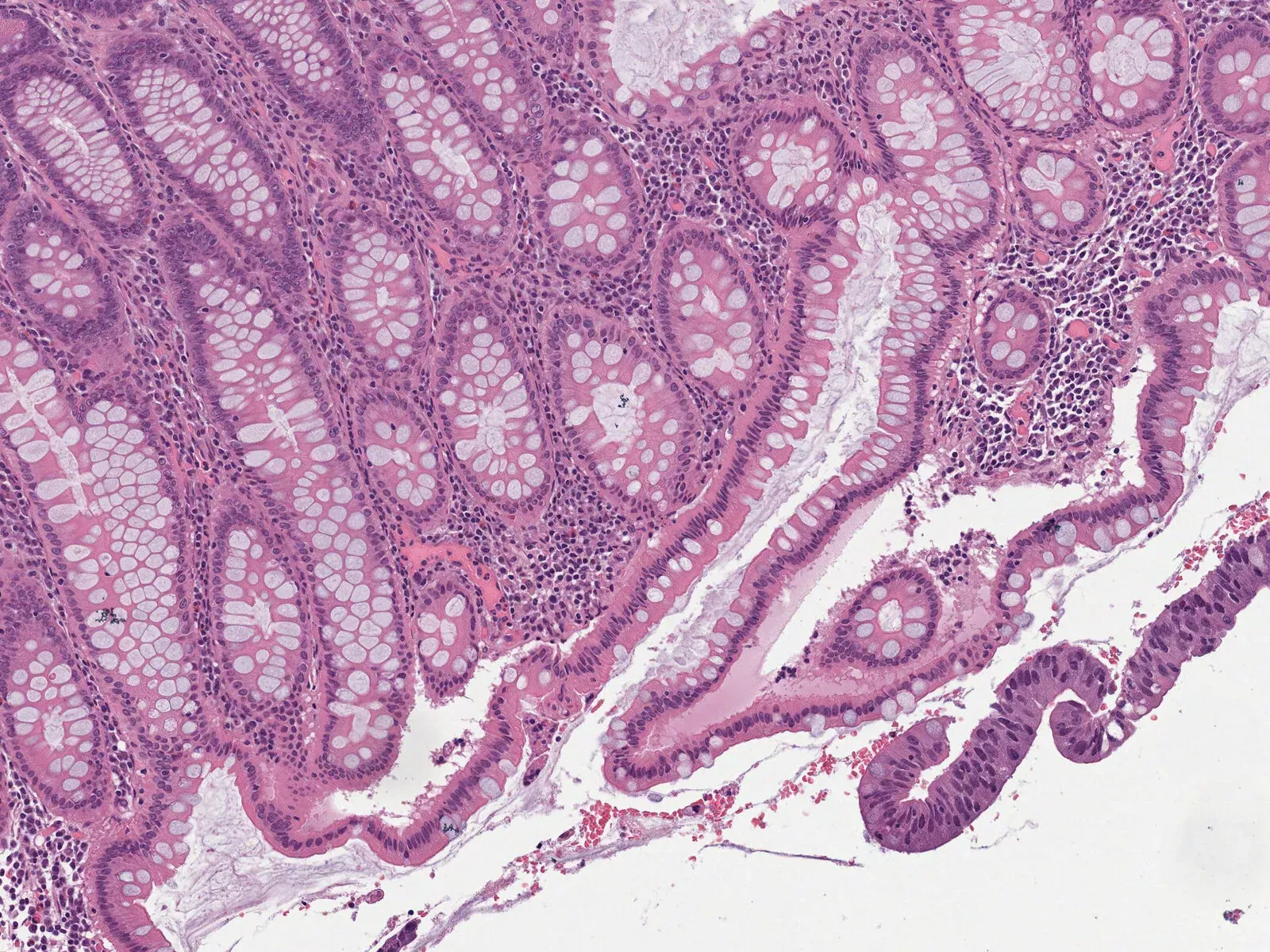
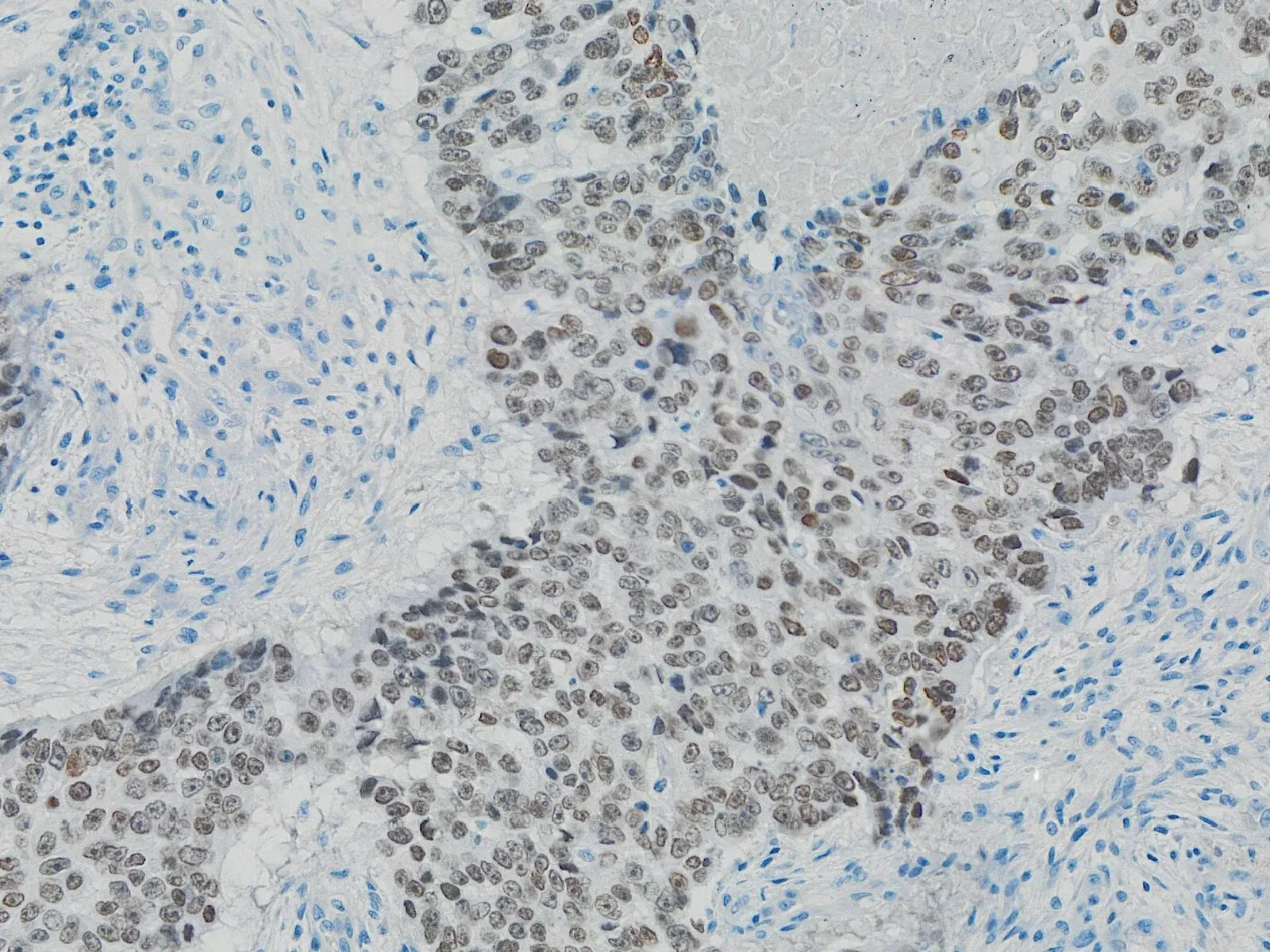
Scan, check and link. Sites approve each release.
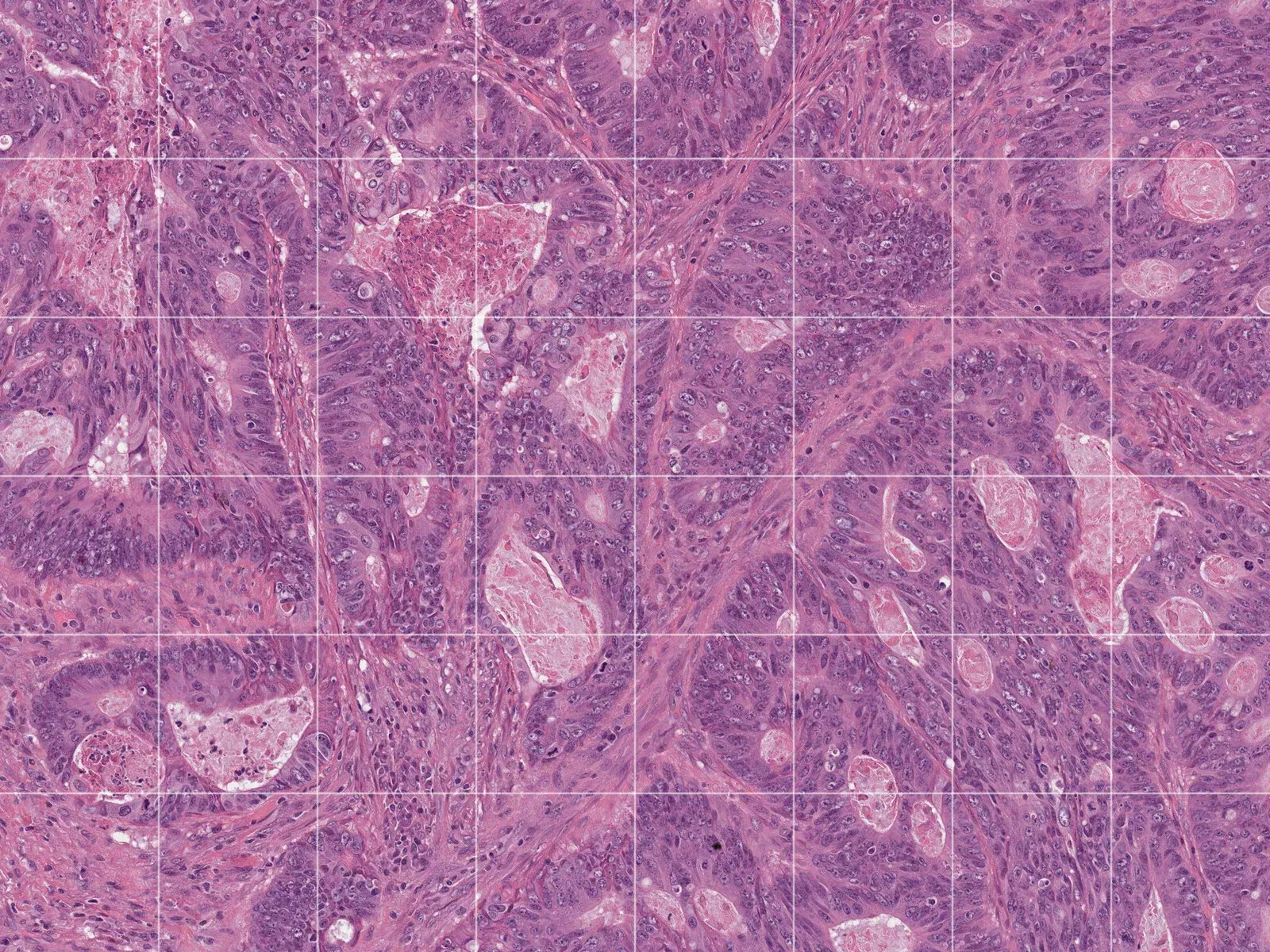 01
Scan
Glass slides scanned to whole-slide images.
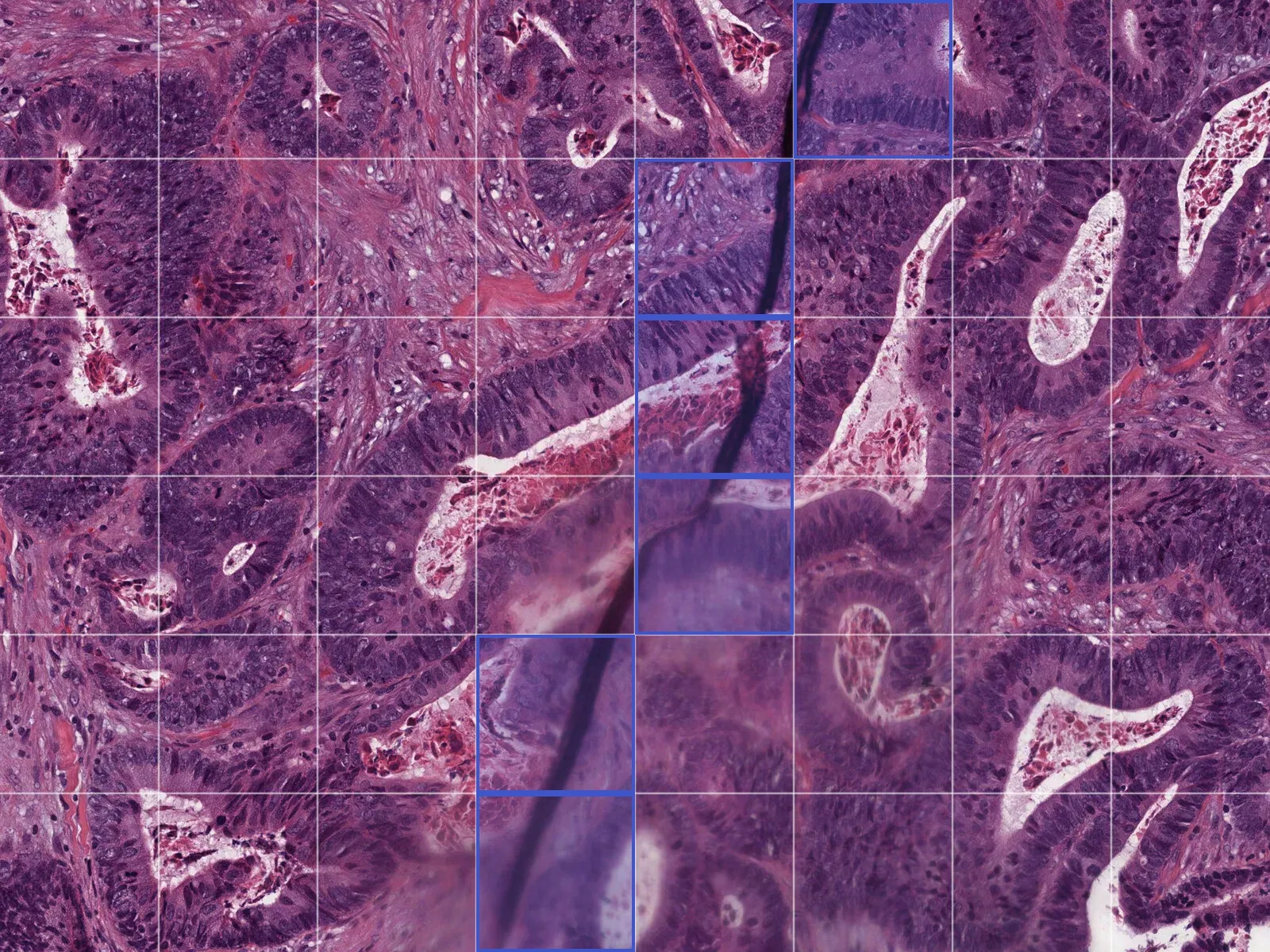 02
Check
AI checks focus, tissue, pen marks and folds.
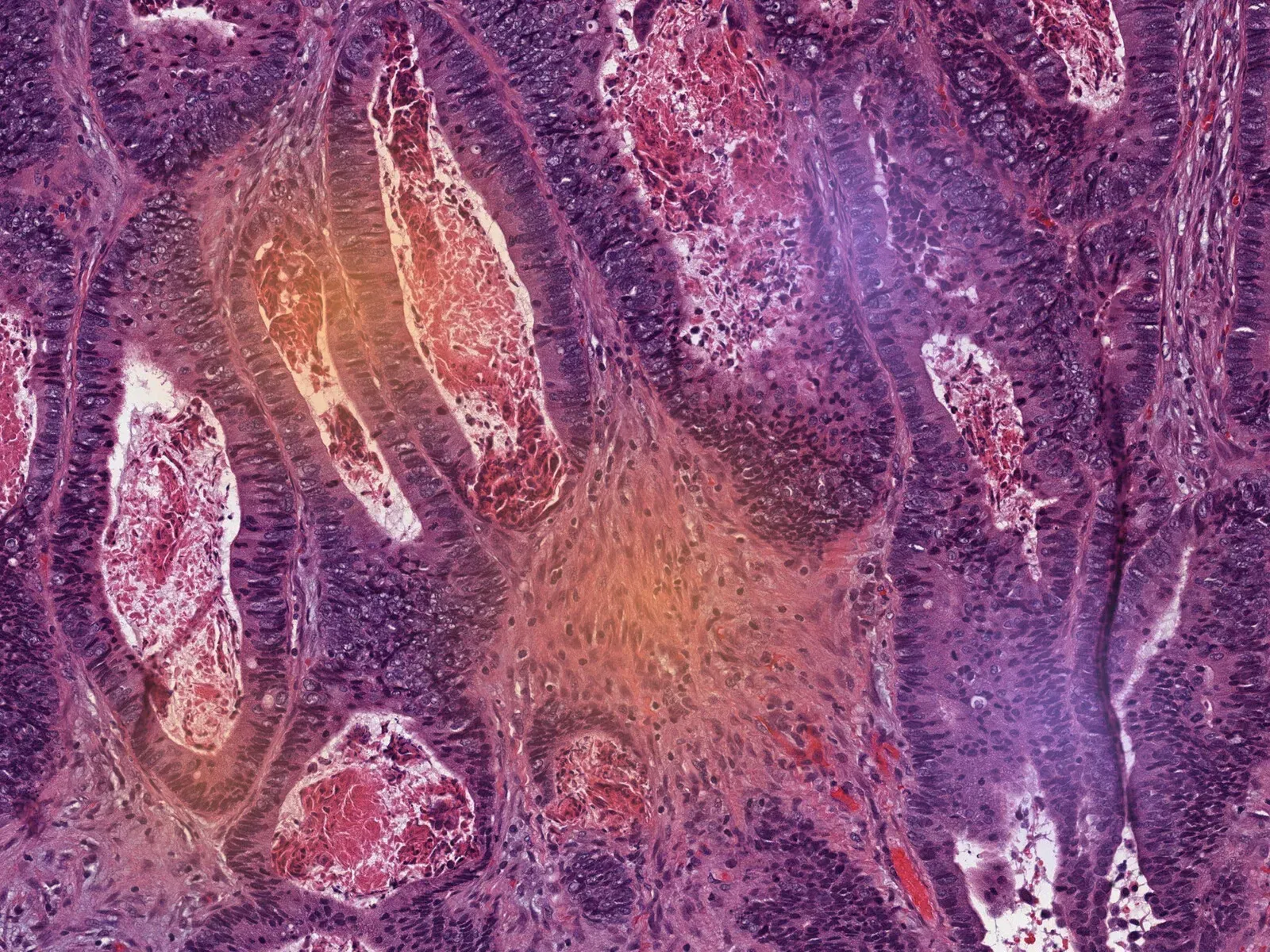 03
Search by look
Find slides that look like a reference image.
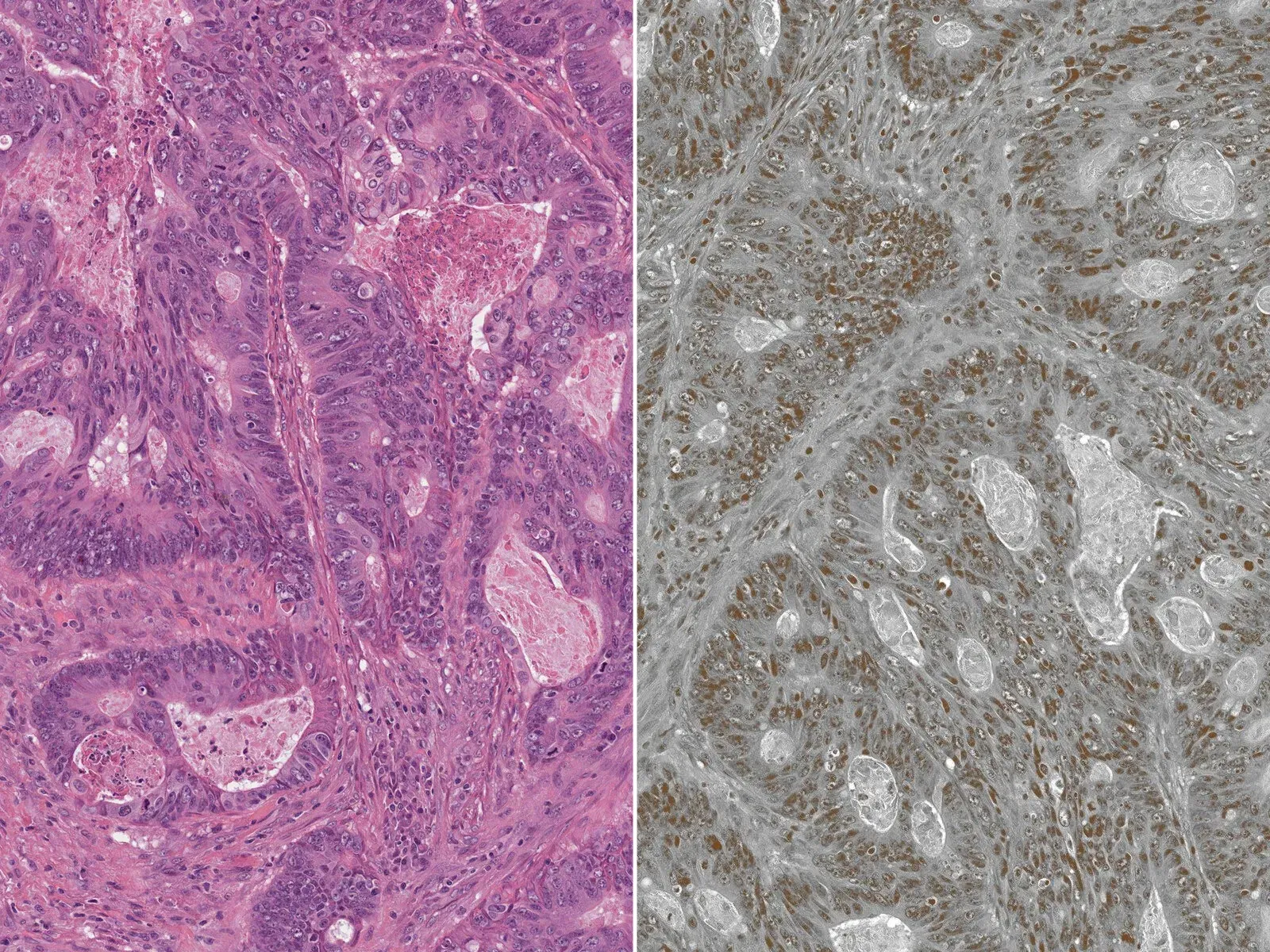 04
Predicted layers
Virtual stains and mutation calls, marked as predicted.
- Pathology reportMolecularOutcomes05
Linked record
Report, molecular data and outcomes, where the site has them.
What you get
Whole-slide images
Scanned from glass, delivered as image files.
New sections from blocks
Fresh H&E or unstained slides, cut to order.
Sets built to your spec
Choose indication, stain, scanner and paired data.
Any volume
From a pilot set to a training set.
Sample rooms
Review a sample set online before you buy.
Image embeddings
Foundation-model features for each slide.
Slide images
Scanned. Read by AI. Linked.
De-identified history
- Pathology report
- Diagnosis
- Treatments
- Outcomes over time
- Sample
- Scan
- AI read
- Linked
The paperwork comes with it.
Every order
What comes with it
- Checked against the source site's protocol or terms first.
- Released only after the source site approves.
- Used only as the source site's consent and terms allow.
- De-identified at the source. Patient identity stays there.
- For specimens: intake QC and a PHI check at our distribution lab.
- A chain-of-custody record, from site to you.
- No-re-identification terms that bind every recipient.
Buying
Three ways to buy
- On scientist.com, with your existing account.
- On Science Exchange, with your existing account.
- Directly with Biobase, with flexible contracting.
Questions about Atlas.
What can I order?
Specimens, slide images and clinical data.
FFPE blocks, H&E and unstained slides, whole-slide images, fresh-frozen tissue, plasma and serum, de-identified pathology reports, molecular data and outcomes, where the source site holds them.
Can I buy without setting up a new vendor?
Yes, through a marketplace.
Order on scientist.com or Science Exchange with your existing account. No additional contracting required.
Who checks the protocol?
We check each request against the source site's protocol or terms first.
The source site then approves or declines the release. Specimens are de-identified at the source, and our distribution lab runs intake QC and a PHI check before delivery.
What format does the data come in?
OMOP, FHIR or CDISC, as you need.
Each site's data is mapped to a common model before delivery: OMOP CDM, FHIR or CDISC SDTM. Tell us the one your team uses.
Does Atlas replace people?
No. People review each match and quote.
Atlas reads requests, searches and prepares the paperwork. Our team reviews each match and quote, and each partner site approves its own release.
Can I see slide images before I buy?
Yes. Ask for a sample set.
Request slide images and say what you need. Where we can, we open a private sample room you sign in to by email link.
Can I train models on the images?
It depends on the source site's terms.
Tell us how you will use the images. We confirm what the source sites allow before you order.
What does "predicted" mean?
Model output, not a lab measurement.
Virtual stains and mutation calls are model output. We will mark them as predicted and keep them apart from measured results.